Padrón: where the Camino meets its history
Discover one of the most iconic places in the Jacobean tradition
Mucho more than a stage on the Camino
History, tradition and pilgrimage come together in a place closely linked to the origins of the Jacobean tradition
Padrón holds a unique place in the history of the Camino de Santiago: according to Jacobean tradition, it was here that the boat carrying the remains of the Apostle Saint James, sailing up the Ulla and Sar rivers until it reached ancient Iria Flavia.
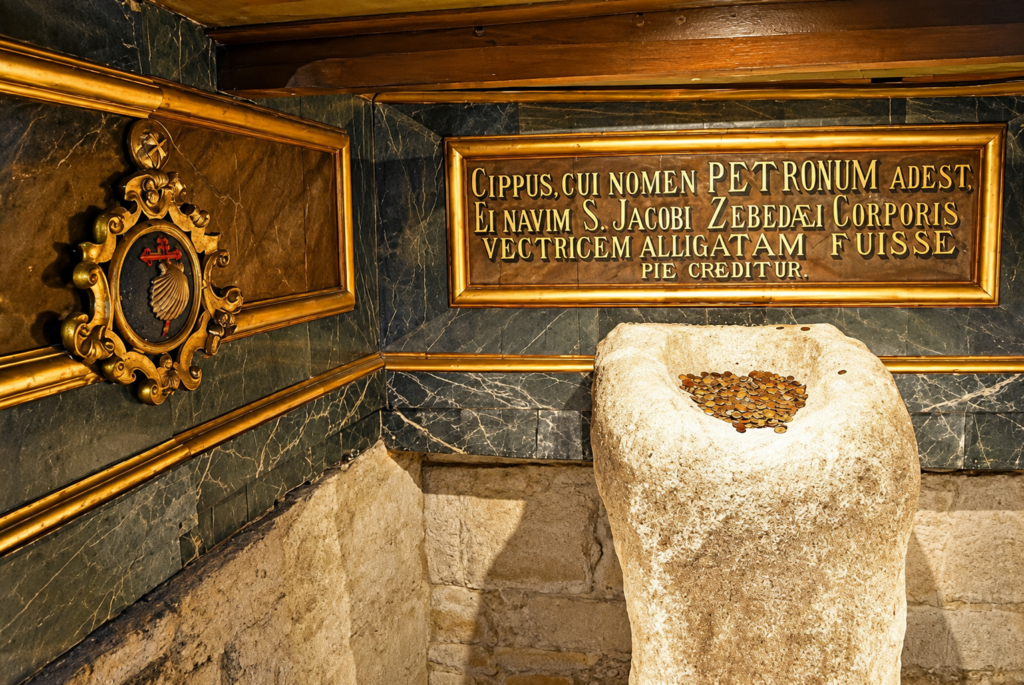
One of the great symbols of this story is the Pedrón, a Roman altar stone which, according to tradition, was used to moor the apostolic boat and is now preserved beneath the main altar of the Church of Santiago de Padrón. The name of the towen itself also derives from this historic monument.
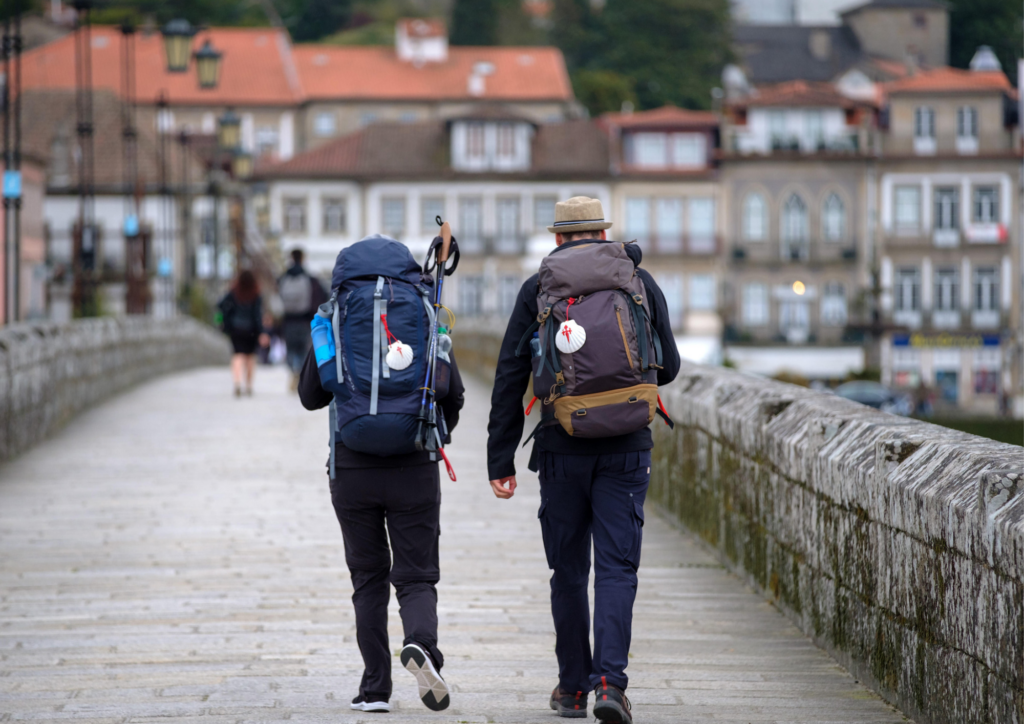
Since the Middle Ages, pilgrims and travellers have crossed these lands along different routes. Today, Padrón continues to be a place of passage, encounter and destination, keeping alive a connection with the Camino that is an inseparable part of its history and identity.
Jacobean footprints in Padrón
Places steeped in history and symbolism that reveal Padrón's deep connection with the Apostle Saint James and the Jacobean tradition
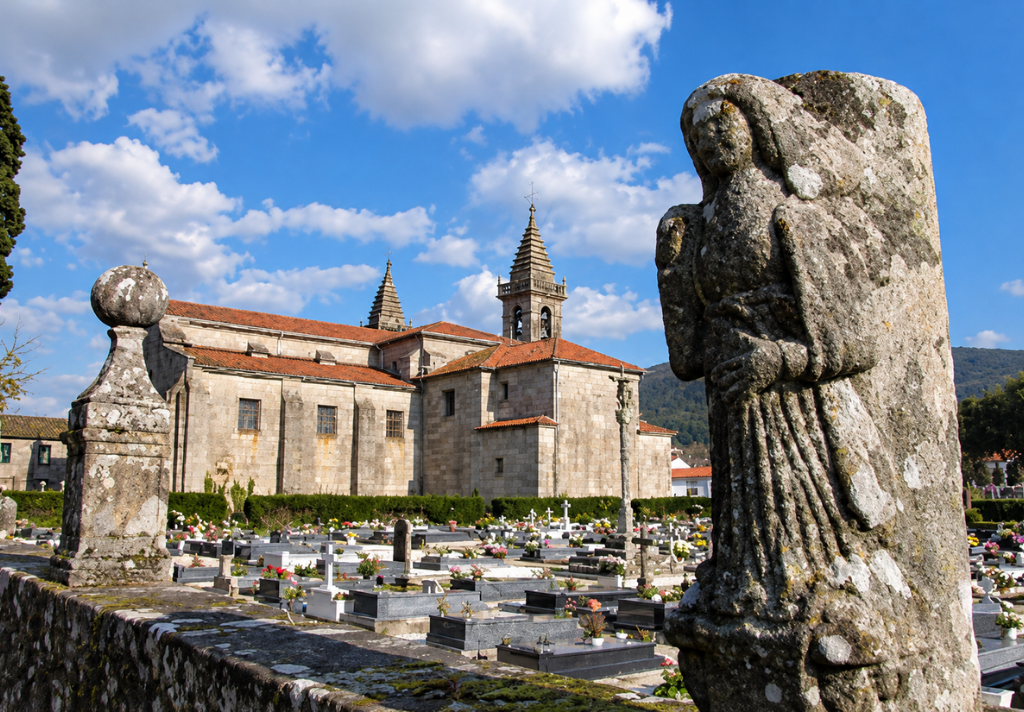
Church of Santiago and the Pedrón
In the heart of the historic centre lies one of Padrón's great Jacobean symbols: the Pedrón, the roman altar stone that tradition associates with the arrival of the Apostle's remains in these lands
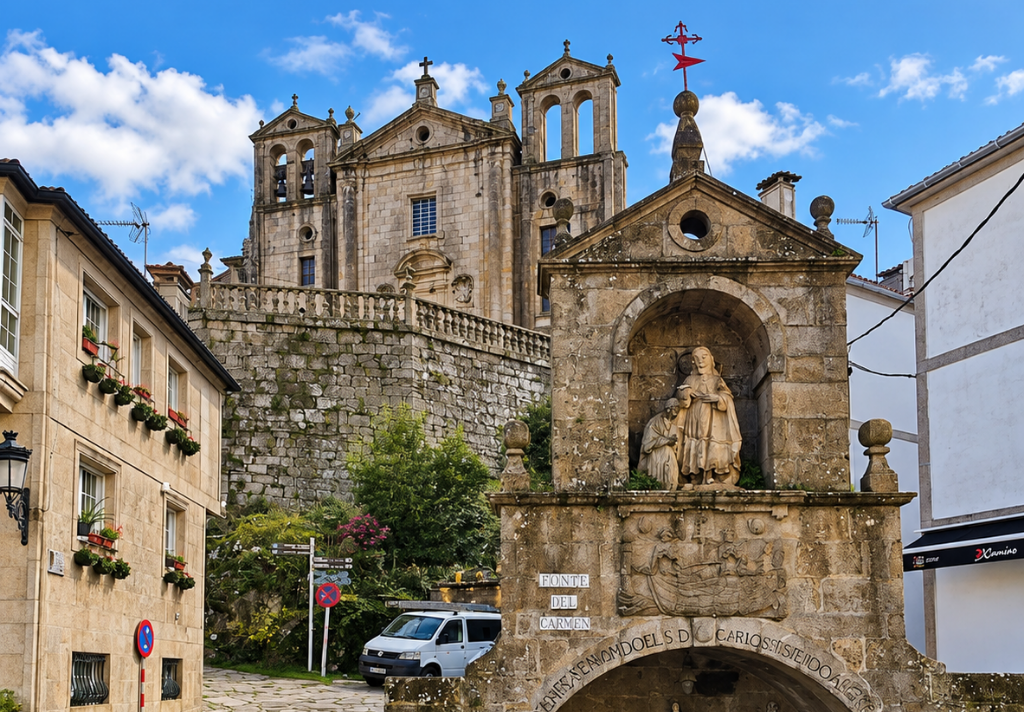
Convent and Fountain of Carmen
A distinctive presence overlooking the town, seamlessly integrated into its landscape and history, preserving the serene and monumental character of the convent tradition
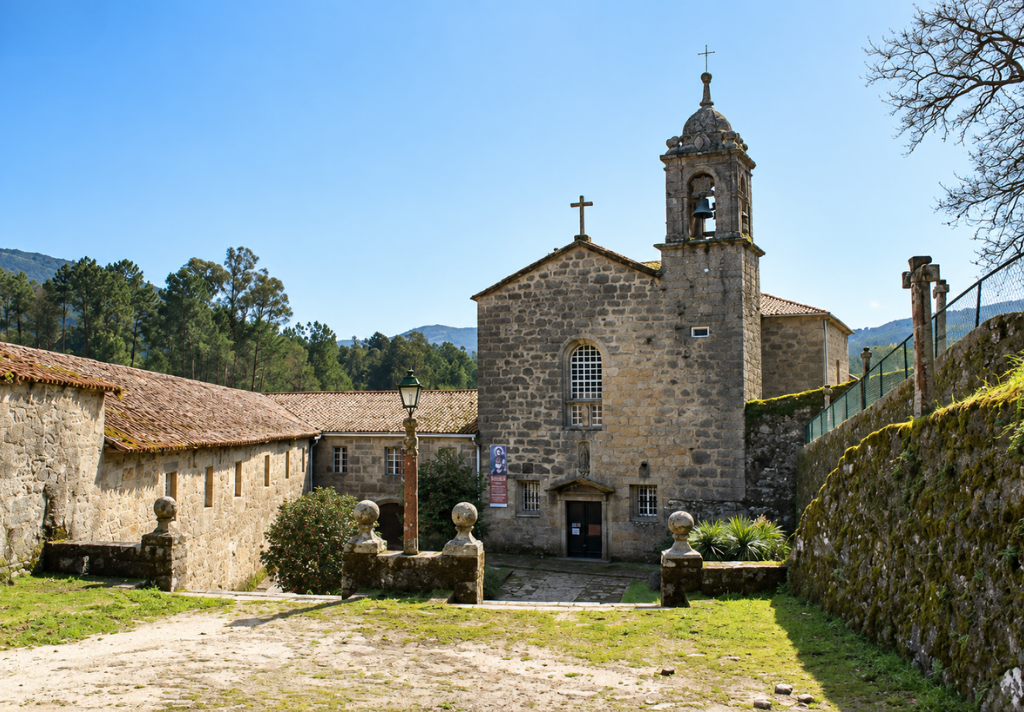
Convent of San Antonio de Herbón
A place with deep Franciscan roots, surrounded by nature and rural heritage, closely linked to the history and cultural identity of Herbón
Iglesia de Santa María La Mayor de Iria Flavia
One of Padrón's most historic churches, closely linked to the origins of the Jacobean tradition and to the ancient episcopal see of Iria Flavia
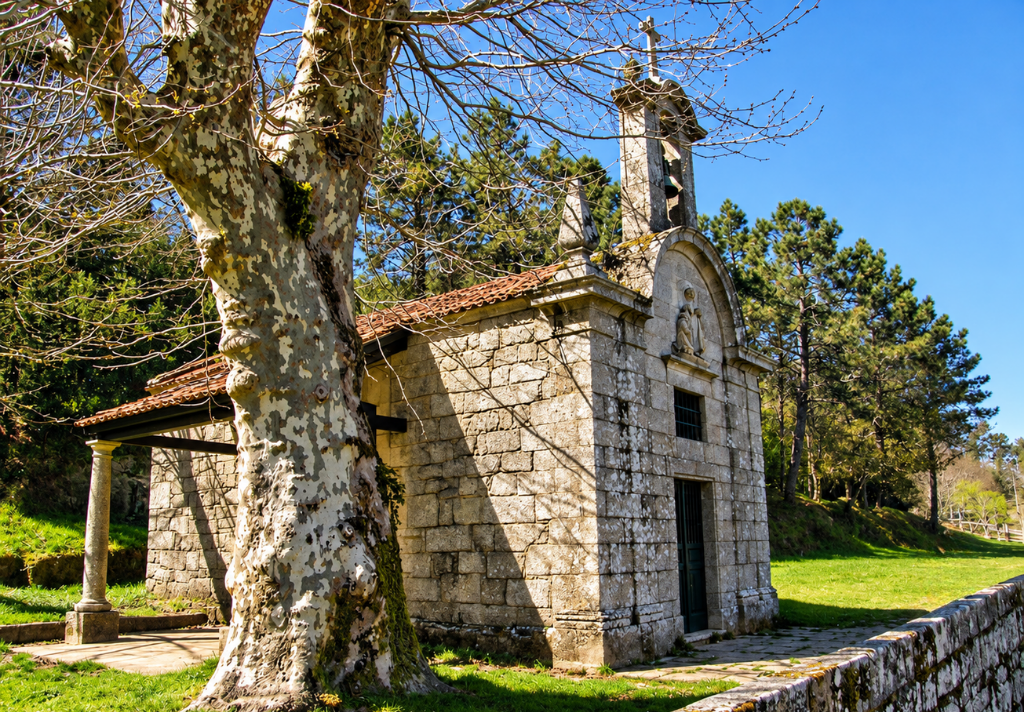
Santiaguiño do Monte
A place surrounded by nature and tradition, closely linked to the figure of the Apostle and regarded as one of Padrón's most distinctive Jacobean sites
The Camino through Padrón
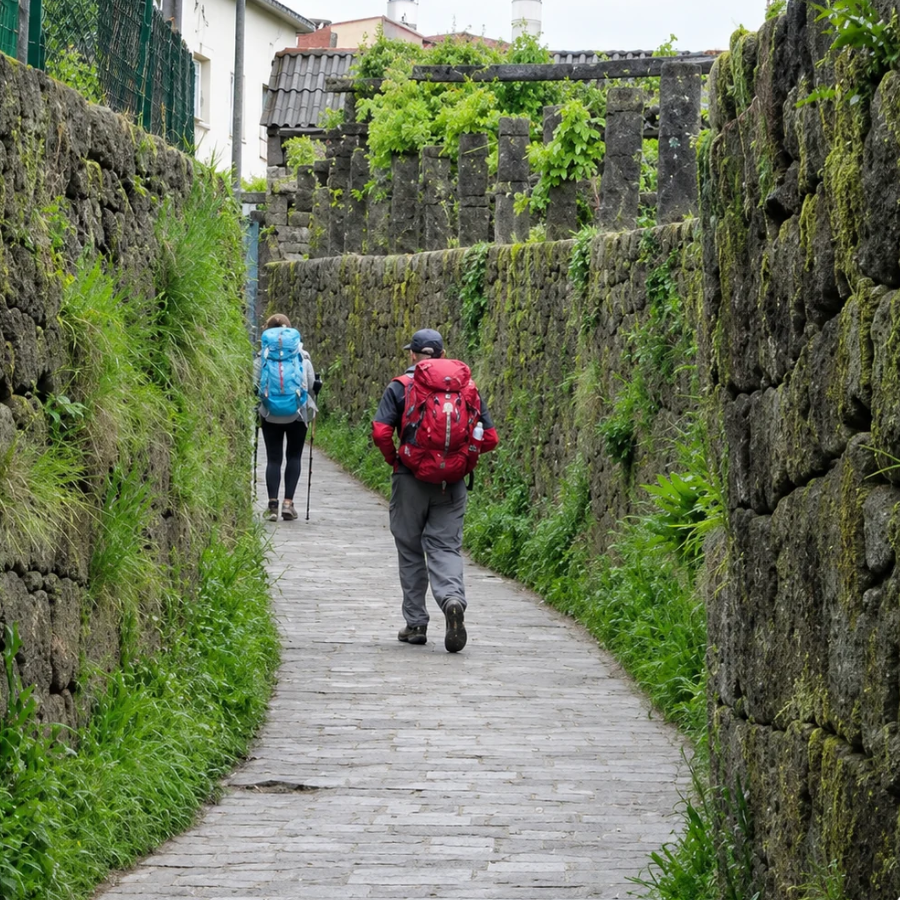
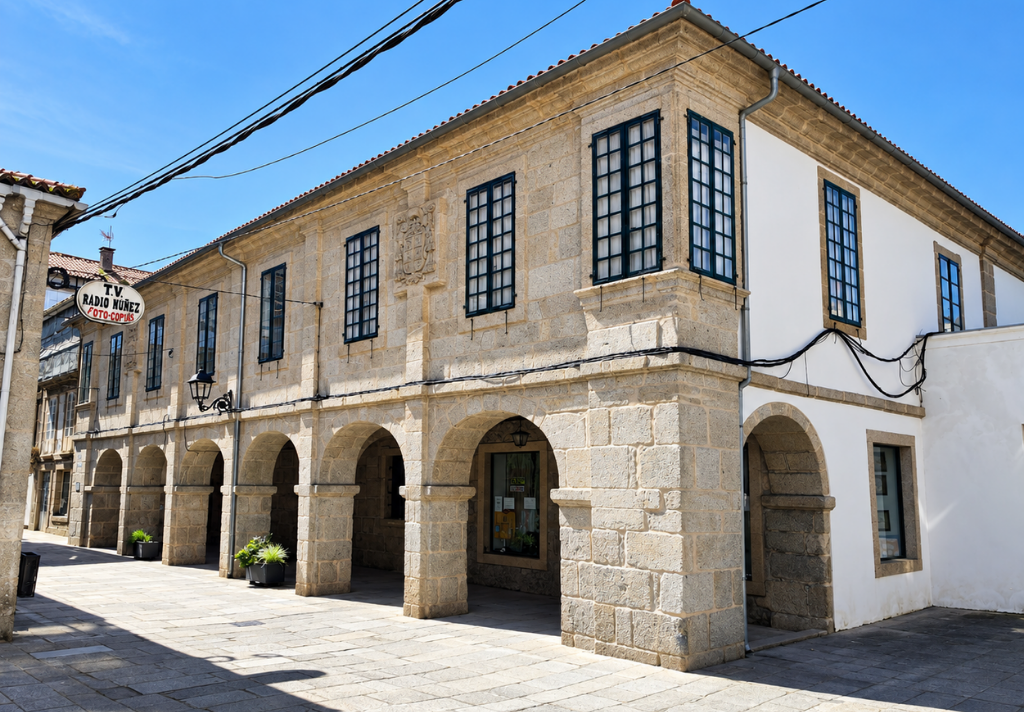
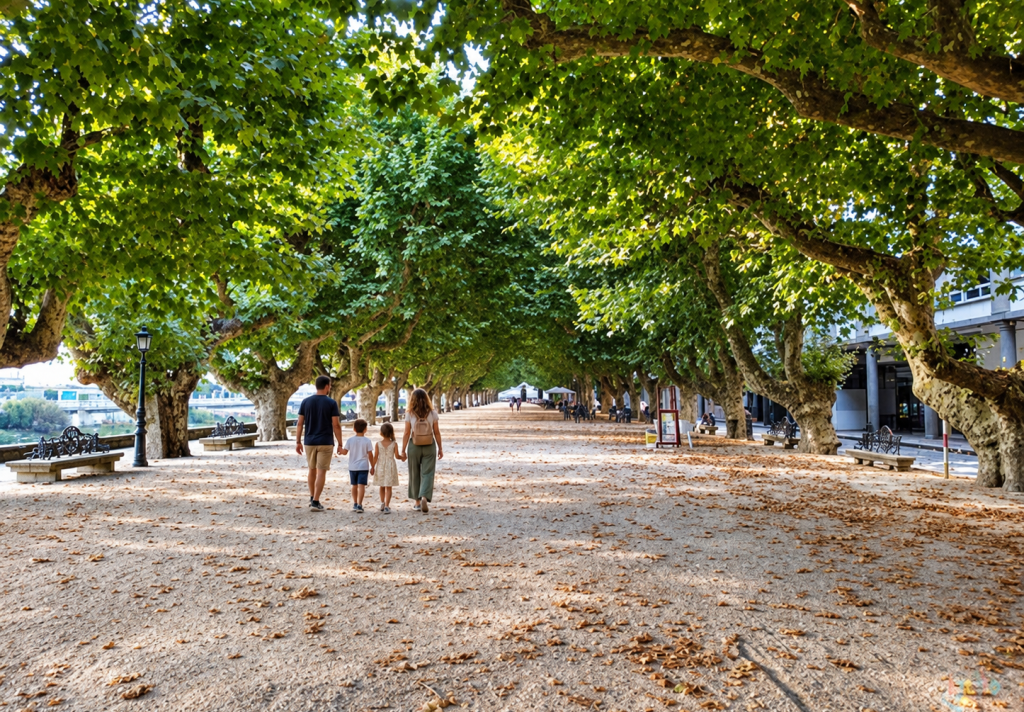
Streets, squares and promenades form part of the daily route followed by hundreds of pilgrims, turning the historic centre into a meeting point between those walking towards Santiago and those discovering Padrón
ROUTES THAT PASS THROUGH AND LEAD TO PADRÓN
Three routes united by the same history
Land, sea and river make Padrón a unique point on the map of Jacobean pilgrimage routes
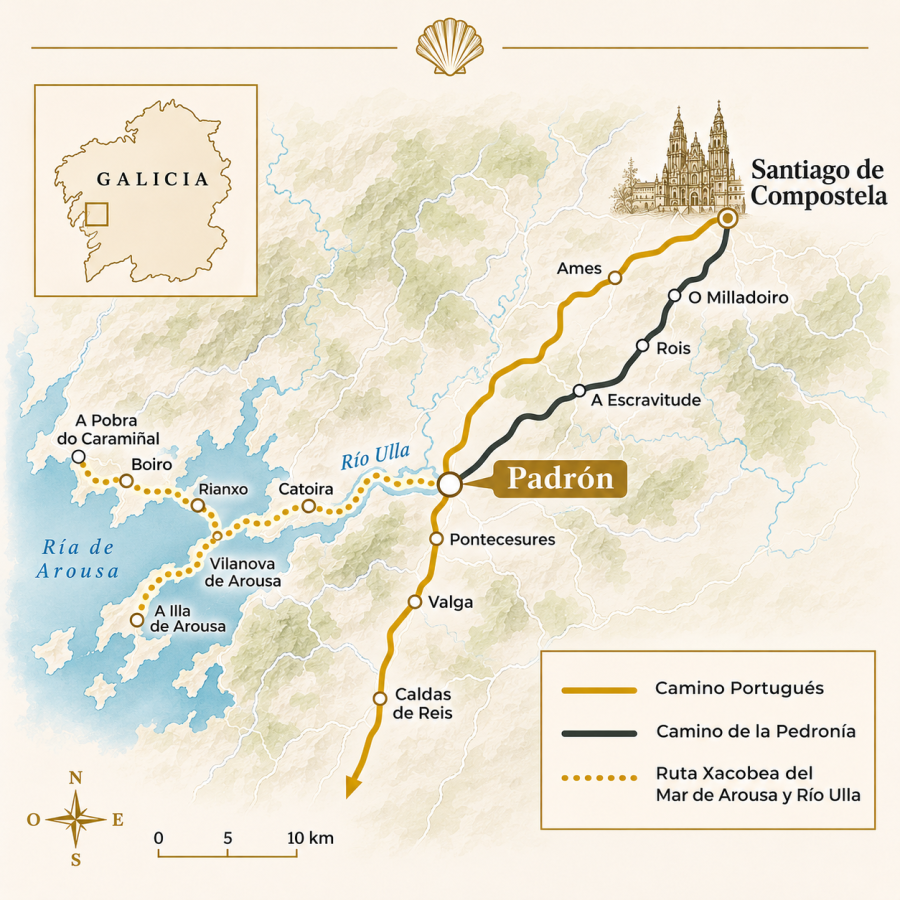
Talking about the Camino de Santiago in Padrón means talking about different routes that come together in the same territory. The municipality has historically been a crossroads and continues to welcome pilgrims arriving along very different itineraries.
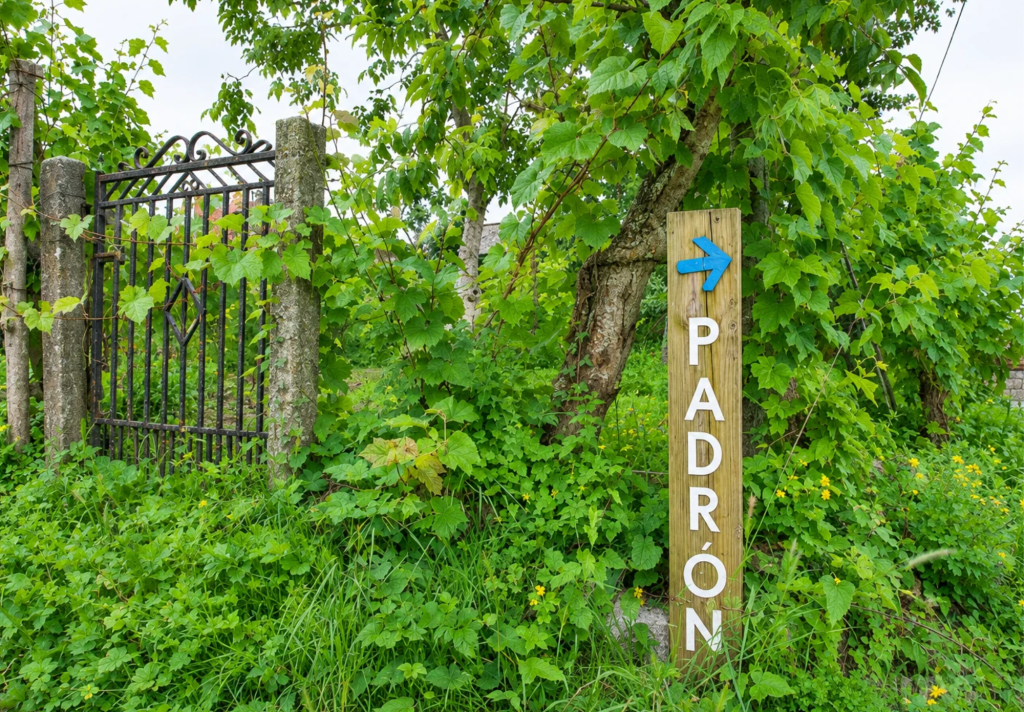
The Portuguese Way crosses the municipality before the final approach to Santiago de Compostela. It is joined by the Camino de la Pedronía, which revives the ancient tradition of making a pilgrimage to Padrón to discover the places linked to the arrival and preaching of the Apostle.
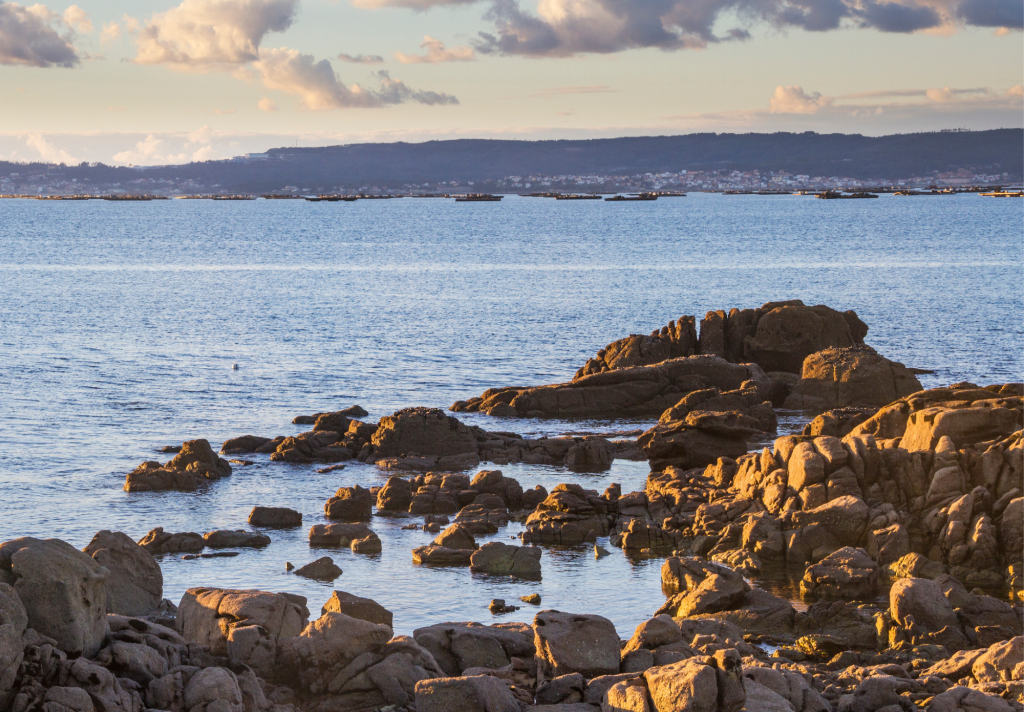
By water runs the Jacobean Route of the Sea of Arousa and the River Ulla, a maritime and river itinerary that recalls the Traslatio and symbollically retraces the journey that, according to tradition, was followed by the boat carrying the remains of the Apostle to these lands.
Routes that pass through and lead to Padrón
Different ways to experience the pilgrimage and discover Jacobean history from one of its most emblematic territories
Portuguese Way
One of the major Jacobean routes and one of the most travelled each year: Padrón marks one of its final major stops before continuing on to Santiago de Compostela
Camino de la Pedronía
A historic pilgrimage with Padrón as its destination, offering the chance to discover the places connected with the apostolic tradition. Those who meet de requirements can obtain the Pedronía, the certificare that officially recognises the pilgrimage to the town
Jacobean Route of the Sea of Arousa and the River Ulla
A different way to explore the history of the Camino by sea and river, symbollically following the route of the Traslatio until reaching Padrón
THE FINAL STAGE BEFORE COMPOSTELA
From Padrón to Santiago de Compostela
The final stretch of the Portuguese Way begins amid history, nature and the excitement of knowing that the destination is getting ever closer
From Padrón, there are 24.8 kilometres remaining to Santiago de Compostela, a stage that takes pilgrims from Sar Valley to the gares of the Galician capital.
The route leaves Padrón behind, passing through Iria Flavia, and continues through small villages, rural paths and the landscapes of inland Galicia. Little by little, Santiago begins to feel closer until reaching O Milladoiro, one of the places from which pilgrims have traditionally felt their arrival in Compostela was already near.
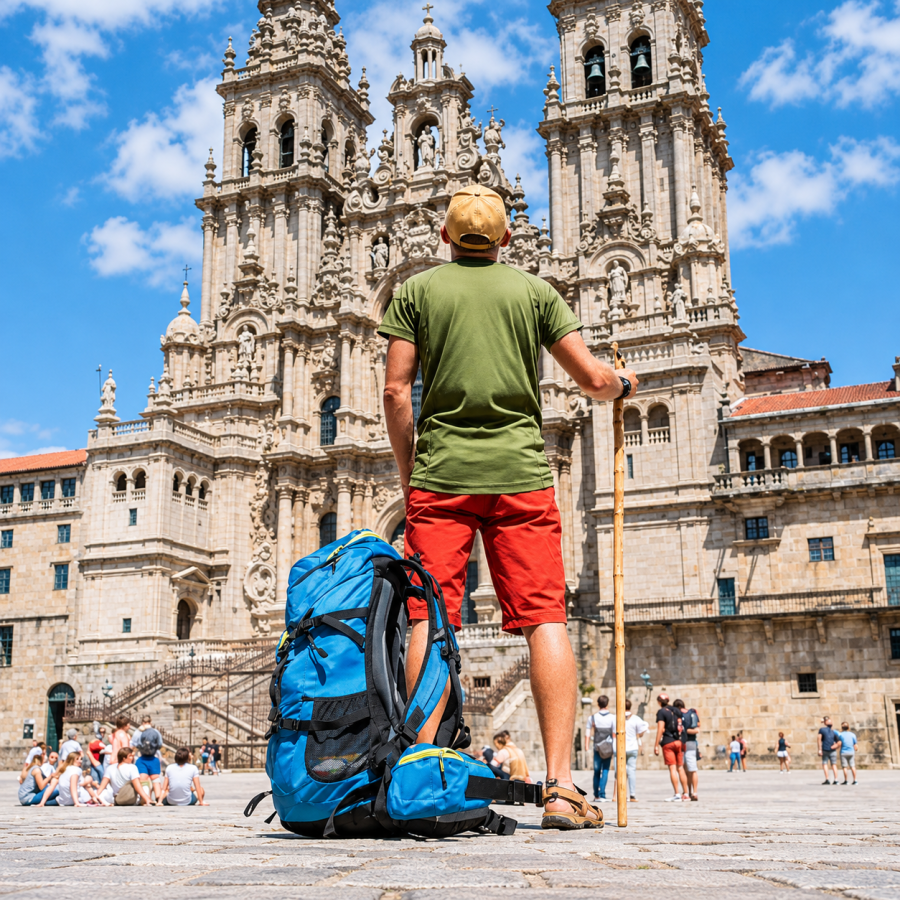
After several days on the Camino, Padrón becomes a special place to pause, regain your strength and enjoy the final hours before making your way to Plaza del Obradoiro.
Rest is also part of the Camino
A stop to recharge, enjoy Padrón and prepare for the arrival in Santiago
Recharge your energy
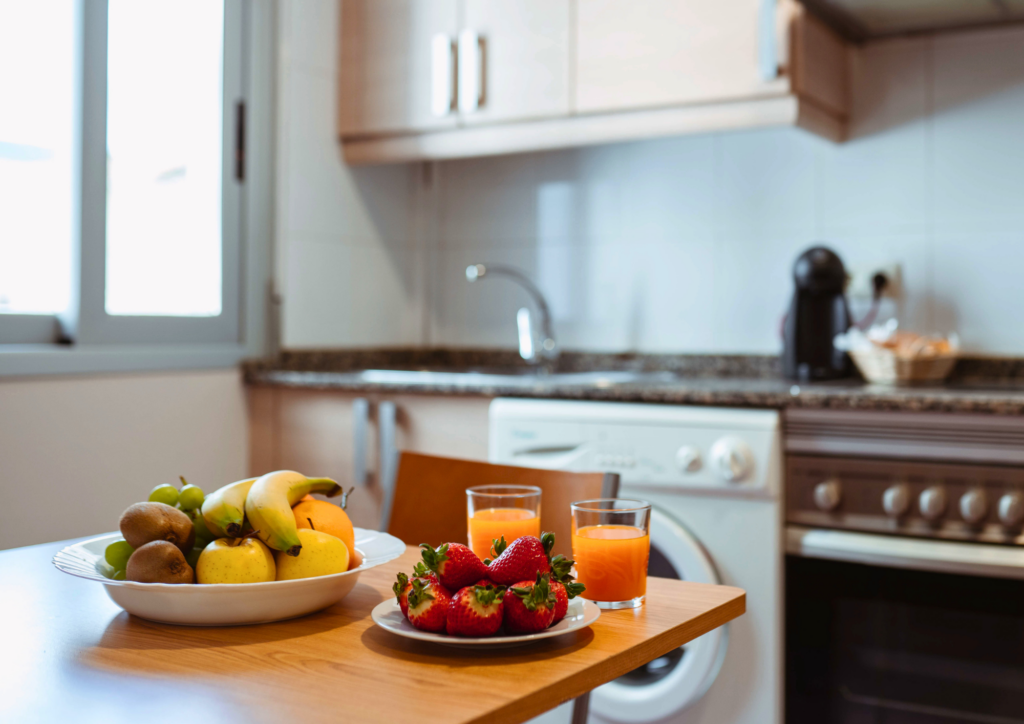
After a day of walking, enjoy spaces designed to rest, unwind and regain your strength before continuing your journey
Discover Padrón
Make the most of your stay by strolling its historic centre, exploring its Jacobean landmarks and discovering a town where history, culture and tradition are present at every turn
Continue your Camino
Rest, prepare your backpack and set out on the final stage towards Santiago with the reassurance of knowing that your destination is getting ever closer